
Sonic Influencing
Part 2

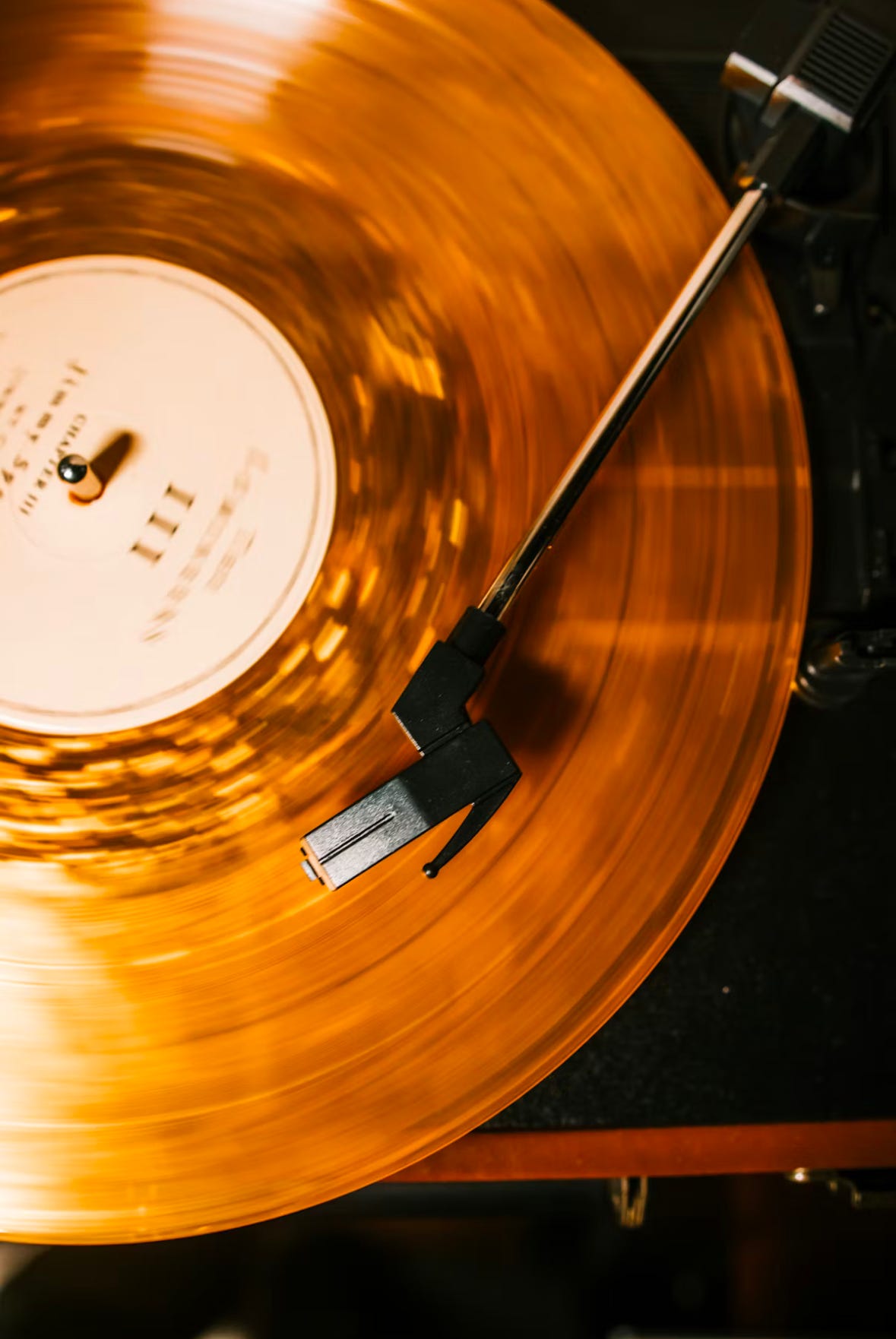
(Image credit: Jakob Rosen via Unsplash )
Why the Same Sound Works on Everyone
There’s a certain…security in a soundbite. The familiar airy, percussive flare of a MacBook booting up, a resonant “dum-dum” of selecting to boot up Netflix, coaxing your subconscious’ authoritarian ego, or the roar of the MGM’s lion pre-cinematic experience that indulges and placates our emotions…almost hypnotically. Partly because it’s communally experienced and partly because people like patterns as familiarity.
A single sonic cue works across archetypes because each archetype hears it differently—but the body stabilizes first.
Netflix’s “du-dum” — A Universal Orientation Signal
A two note resonant, electronic percussion placates Jungian Ruler archetypes for authority, a Sage will hear competence, a Rebel will conflate it to organized chaos, or a Jester will anticipate a playful beat. What remains the same across these personalities is how sound grounds expectation through personal experience and preference. Because sound doesn’t tell you what to think, your presuppositions give your archetype/s permission to engage.
Florence as Multi-Archetypal Resonance
Most people will fall into multiple categories at any given point, frequently returning to their “homeostatic” archetypes. For example, Florence and the Machine’s syncopation attracts Rebels, while the groups’s frequent use of crescendos lean toward Rulers, or take their key lyrical abstraction to preference of Sage and Creator archetypes. While emotional volatility is deliciously attractive to Lover archetypes. And we can see how both singularly these archetypes can be attracted to one musical group, and simultaneously how one listener encompasses a range of archetypes per musical group or a particular album.
Because Florence’s listenership also attracts the fans of Taylor Swift, specifically the same fans who love the Woodland albums. Thematically they’re similar.
This logic translates into books, art, fashion, cinema, etc. When there’s a brand or movement that taps into both niche expressions and mass experiences, that’s where sonic influence thrives.
Sonic Closure
These cues aren’t only for openings but credits and closing, modernly, this is more important for creators and taglines because marketing is a game of repetition, sales is a game of trust, and people trust people who can land the plane which is why consistent sonic closure matters more than hooks—especially when there’s an established visual identity.
But, if sound works this powerfully in entertainment, it raises an uncomfortable question: what happens when it’s used without consent?